 Image 1 of 4
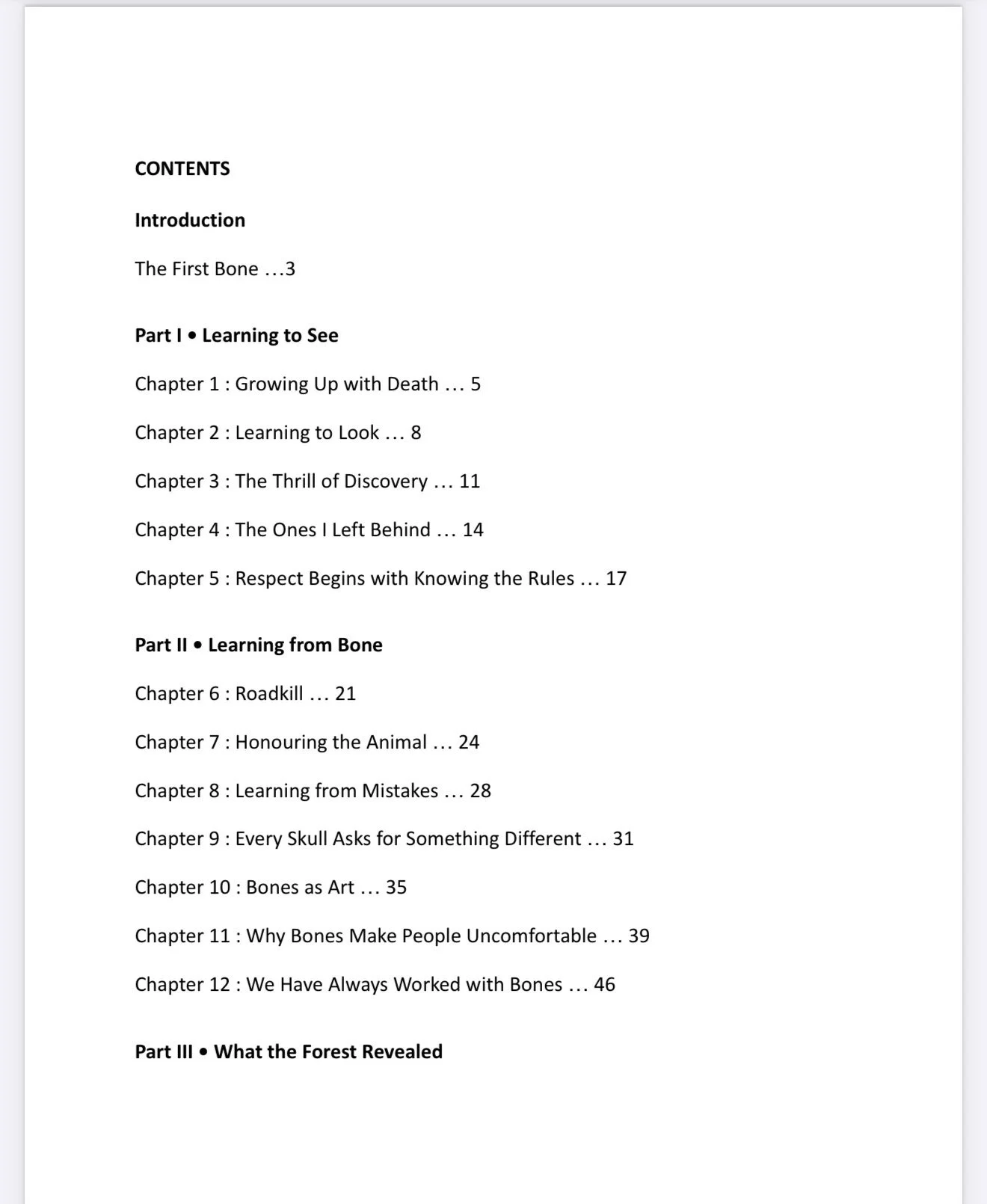 Image 2 of 4
 Image 3 of 4
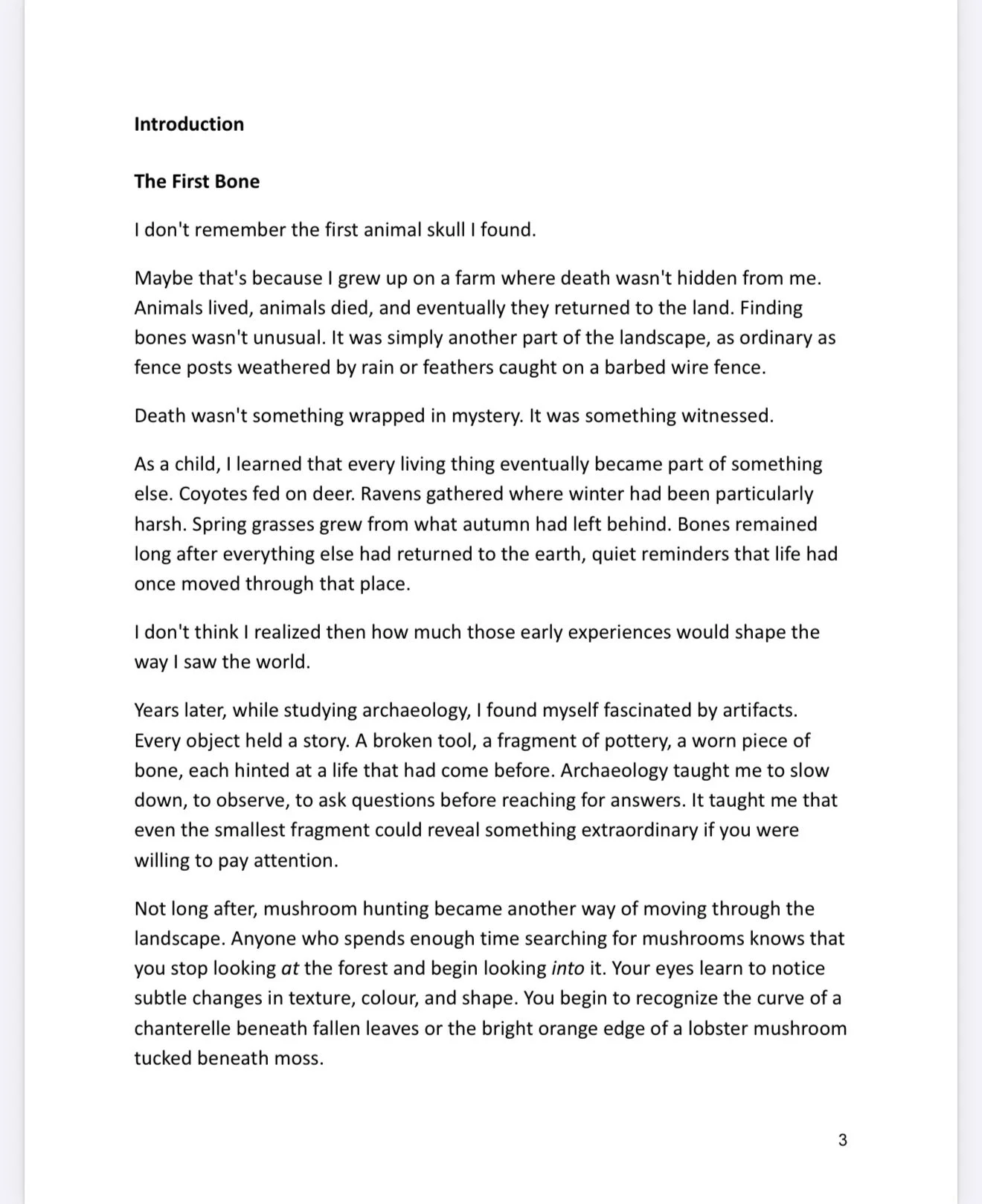 Image 4 of 4
What if a bone was more than something left behind?
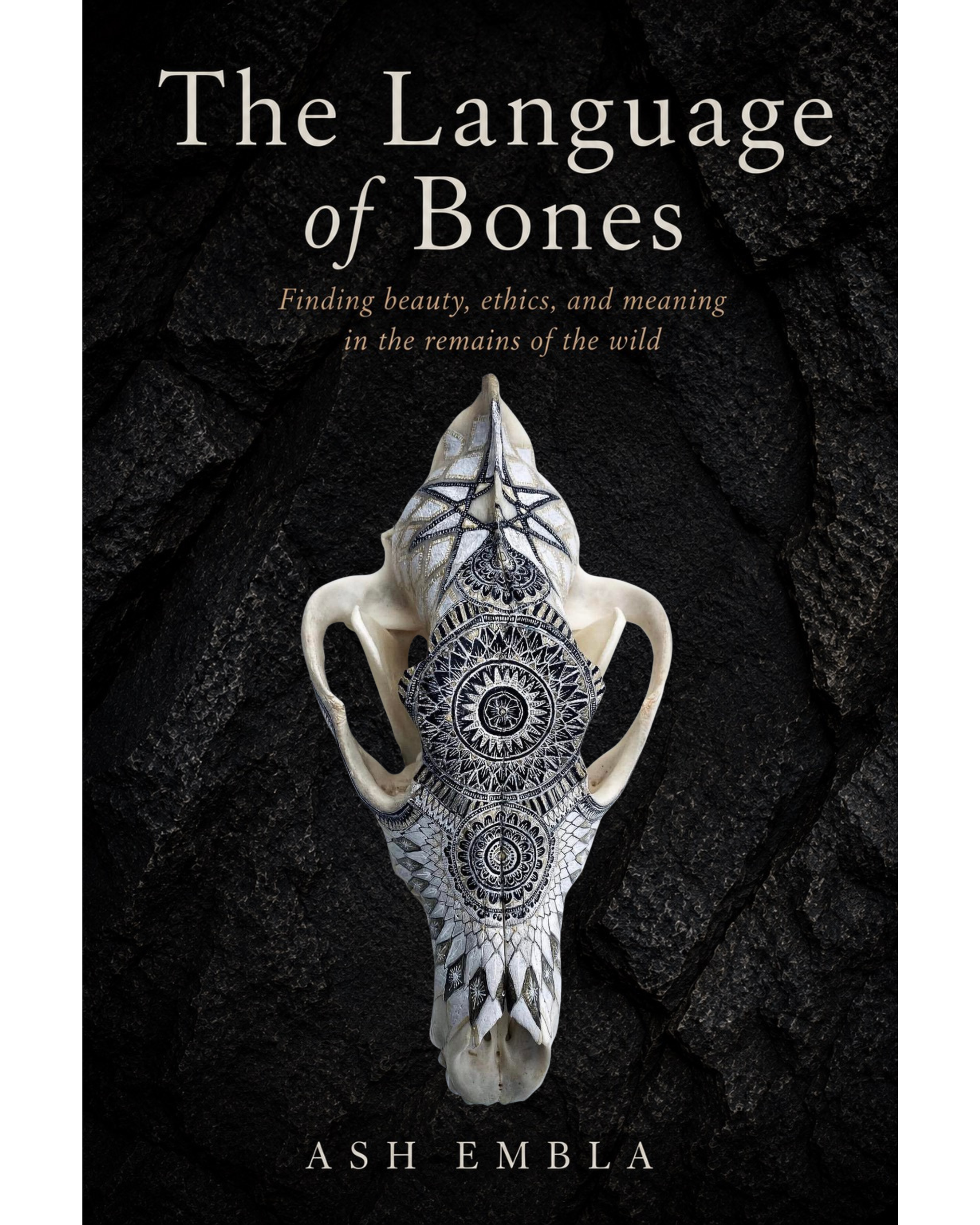
Scattered across forest floors, mountain trails, and riverbanks, the remains of wild animals hold stories of life, death, ecology, and the intricate relationships that shape the natural world. To those willing to slow down and look closely, bones become a language.
In The Language of Bones, Ash invites readers into the often misunderstood world of bone collecting, not as a hobby of possession, but as a practice of observation, reverence, and connection. Drawing from years of exploring the wilderness, completing her archaeology degree, creating art from naturally found bones, and learning from the landscapes themselves, she offers a thoughtful reflection on what the wild has to teach us.
Blending personal experience with natural history, ethics, ecology, and philosophy, this book explores questions many of us rarely stop to ask. What stories remain after death? How do we collect with integrity? Why do bones make us uncomfortable? And what can they teach us about the cycles that sustain all life?
Part field companion, part philosophical reflection, and part invitation to see the natural world with new eyes, The Language of Bones encourages readers to move more slowly, notice more deeply, and rediscover the wonder that exists all around them.
Because in the end, this was never just about bones.
It has always been about learning to belong to the living world.
This 98 page book is for anyone who has ever stopped to examine a bone on the trail, wondered about the skull tucked beneath a cedar tree, or felt a quiet sense of awe in wild places.
Whether you are a naturalist, hiker, artist, forager, wildlife enthusiast, mushroom hunter, death doula, educator, or simply someone who feels most at home outdoors, The Language of Bones offers a new way of seeing.
You don't need to collect bones to appreciate this book.
You only need to be curious.
If you've ever wanted to understand the stories written into the landscape, to approach nature with greater respect, or to deepen your relationship with the living world, this book was written for you.
What if a bone was more than something left behind?
Scattered across forest floors, mountain trails, and riverbanks, the remains of wild animals hold stories of life, death, ecology, and the intricate relationships that shape the natural world. To those willing to slow down and look closely, bones become a language.
In The Language of Bones, Ash invites readers into the often misunderstood world of bone collecting, not as a hobby of possession, but as a practice of observation, reverence, and connection. Drawing from years of exploring the wilderness, completing her archaeology degree, creating art from naturally found bones, and learning from the landscapes themselves, she offers a thoughtful reflection on what the wild has to teach us.
Blending personal experience with natural history, ethics, ecology, and philosophy, this book explores questions many of us rarely stop to ask. What stories remain after death? How do we collect with integrity? Why do bones make us uncomfortable? And what can they teach us about the cycles that sustain all life?
Part field companion, part philosophical reflection, and part invitation to see the natural world with new eyes, The Language of Bones encourages readers to move more slowly, notice more deeply, and rediscover the wonder that exists all around them.
Because in the end, this was never just about bones.
It has always been about learning to belong to the living world.
This 98 page book is for anyone who has ever stopped to examine a bone on the trail, wondered about the skull tucked beneath a cedar tree, or felt a quiet sense of awe in wild places.
Whether you are a naturalist, hiker, artist, forager, wildlife enthusiast, mushroom hunter, death doula, educator, or simply someone who feels most at home outdoors, The Language of Bones offers a new way of seeing.
You don't need to collect bones to appreciate this book.
You only need to be curious.
If you've ever wanted to understand the stories written into the landscape, to approach nature with greater respect, or to deepen your relationship with the living world, this book was written for you.